Social isolation is a growing problem in nursing homes throughout Massachusetts and New Hampshire, but many people are unsure if or how this constitutes abuse. Compared to medical neglect and outright abuse, social isolation seems less severe and perhaps even a natural consequence of long-term care living.
However, a lack of social engagement can have serious effects on the physical, mental, and emotional well-being of residents. We go over whether social isolation qualifies as nursing home abuse below and how families can advocate for the rights of their elderly loved ones.
Understanding Social Isolation in Nursing Homes
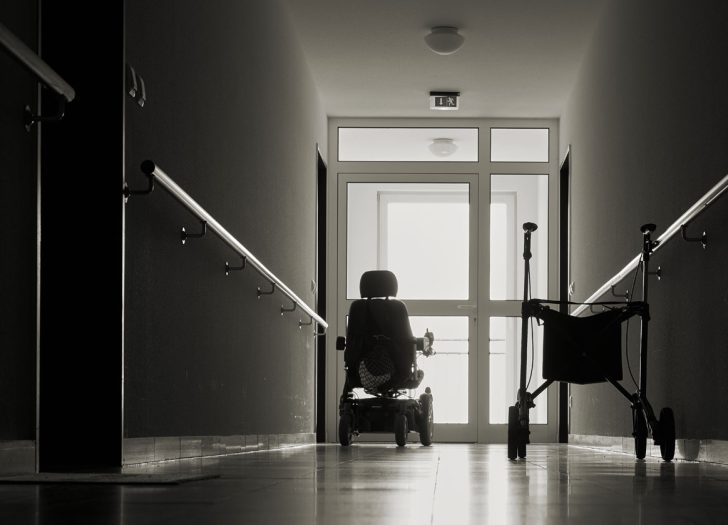
When an elderly person is moved to a nursing home, this can create feelings of anxiety and depression as they come to terms with their changing abilities. Often, these people have outlived their closest loved ones and have fewer connections than ever before. Physical limitations and chronic illnesses may also make it more difficult for residents to participate in fun activities, visit common areas, or engage in conversation.
This means it’s crucial to develop a plan to meet each patient’s socialization needs with things like:
- Shared meals
- Exercise programs
- Group socials
- Family events
- Video calls
- Online games
- Holiday celebrations
- Pet therapy
- Individual counseling
The Responsibility of Facilities to Socialize Patients
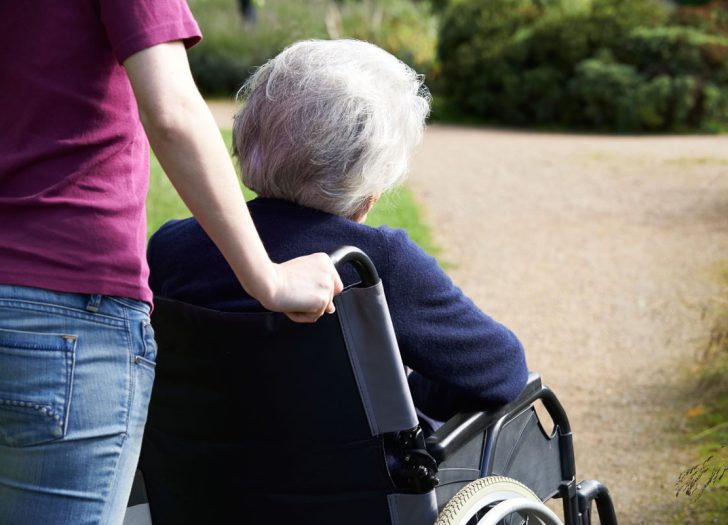
Nursing homes have just as much of a responsibility to make sure patients are socialized as they do to make sure they have adequate nutrition, hydration, and hygiene. For example, if a patient can’t walk on their own, it’s up to staff members to help the patient get into a wheelchair and take them to a common area where they can watch and engage with other people.
The Consequences of Social Isolation for Residents and Their Families
Social isolation is strongly linked to a higher risk of developing chronic illnesses for patients, and can lead to feelings of loneliness, hopelessness, and depression. Nursing home residents who experience a lack of social and mental stimulation can also become irritable, anxious, or withdrawn, and their mortality rates are higher than adults in the same age group who have more opportunities for engagement.
Family members who witness their loved one struggle often experience their own feelings of helplessness and guilt, especially if the situation has been going on for an extended period of time. There may also be additional costs associated with taking time off work for extra visits, hiring a private companion, and other support initiatives.
Signs Your Loved One May Be Feeling Isolated
If you visit your family member in a long-term care facility and notice the following, they may be feeling socially isolated:
- They avoid conversations
- They cry often or have angry outbursts
- There is an increase in forgetfulness or confusion
- They no longer participate in group events
- They express feelings of loneliness or despair
- They lose their appetite or start to overeat
- They begin to neglect personal hygiene
- Their physical health worsens with no apparent cause
What to Do If a Nursing Home Is Isolating Your Loved One
If you believe that your loved one’s nursing home is neglecting to socialize them or even purposely leaving them alone for extended periods to punish them, it can be hard to know what you should do next. Reporting your concerns to the staff could resolve the problem, or it could put your family member at risk of retaliation.
In both Massachusetts and New Hampshire, families who suspect nursing home abuse or neglect can contact their Long Term Care Ombudsman. This is the government agency that oversees the quality of care provided by assisted living establishments and conducts investigations into complaints.
If the Ombudsman finds that a complaint is valid, they can advocate for changes to nursing home policies and direct family members to the appropriate resources.
Protect Your Loved One with the Help of Salem Nursing Home Abuse Lawyers Mazow | McCullough, PC
Discovering that your elderly family member may have been a victim of nursing home abuse is heartbreaking. If you’re wondering what you can do to help, you’re not alone.
We’ve helped dozens of families like yours stand up for what’s right and get justice for their loved ones who were hurt while in a nursing home or another kind of long-term care. Call us now for a consultation by dialing (978) 744-8000 or filling out our short contact form here.

Kevin J. McCullough, Partner
Kevin McCullough is a founding partner of Mazow | McCullough, PC, where he focuses on serious personal injury, wrongful death, and consumer class action litigation. Kevin’s background includes working inside the insurance industry as both an adjuster and defense attorney, giving him deep insight into insurance claims and bad-faith practices. He also served as a prosecutor in the Essex County District Attorney’s Office, where he gained extensive trial experience. Kevin lives in Danvers, Massachusetts, with his wife and five children. Kevin enjoys all outdoor activities and spending time with his family.