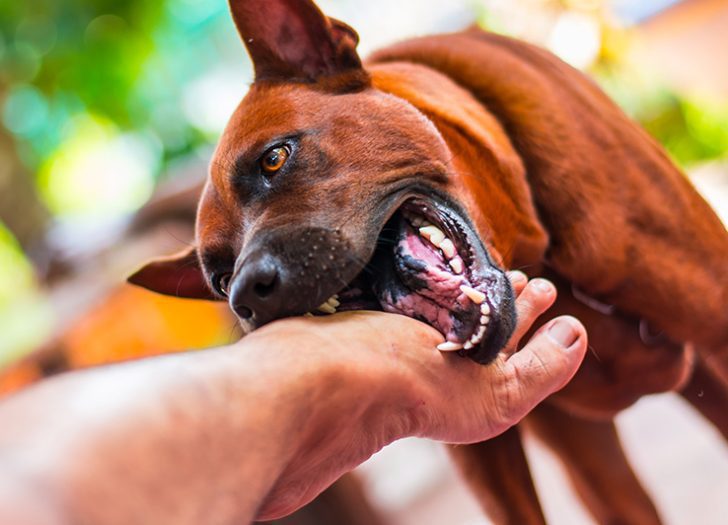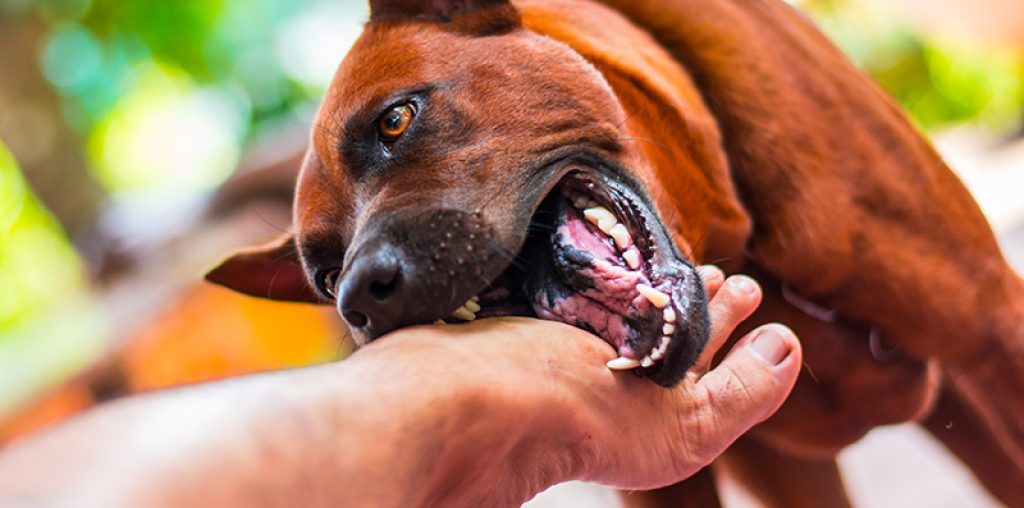
While dog bite rates typically rise in the summer, it’s important to remember that winter weather can also exacerbate aggression and make some dogs more likely to attack. Being cold and lacking exercise have a strong relationship to canine aggression, so it’s important for dog owners to take good care of their pets in the winter.
Here’s what you can do to lower the risk of getting bitten in cold weather and what to do if you or someone you love were attacked by a vicious dog in Massachusetts or New Hampshire.
Avoid Dogs That Are Kept Outside
It’s a common misconception that dogs can be left outside in the cold without consequence, “because they have a fur coat.” While some breeds are built for winter weather, like Siberian Huskies and Alaskan Malamutes, most pet dogs are not. Dogs that are kept outside in the winter without adequate shelter, food, and warmth, are much more likely to become aggressive if confronted and may attack or bite with the slightest trigger.
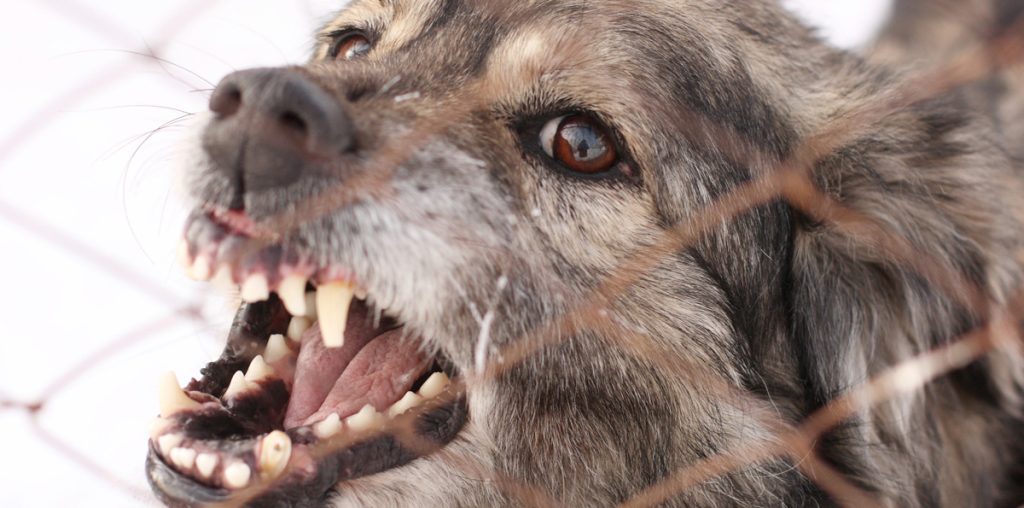
If you come across a dog that is tethered outside or appears to have been left outside in a fenced-in yard when it’s very cold or snowy out, it’s best to give the animal a wide berth. The last thing you want is to be too close to a dog when it decides that it’s had enough of being outdoors in frigid weather.
Steer Clear of Strays
You should also avoid any strays you may meet while walking through a store parking lot or shoveling your driveway, for the same reason as above. Even if the dog has a collar and tag, it’s hard to know if it has been outside in the cold for an extended period or is injured in some way.
If you see a stray, avoid making eye contact and try to get to your destination as quickly as possible. Don’t engage with the dog if it follows you or tell it to go away, since this could be misinterpreted by the dog as encouragement. Never run past a dog either, because it could trigger their instinct to chase you. While the dog may be friendly, it may have a hard time distinguishing between rough play and doing actual harm.
Learn How to Identify Dog Attack Warning Signs
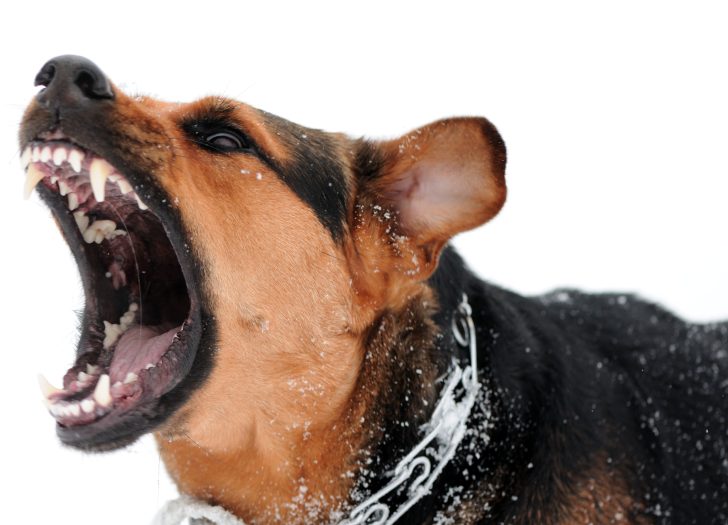
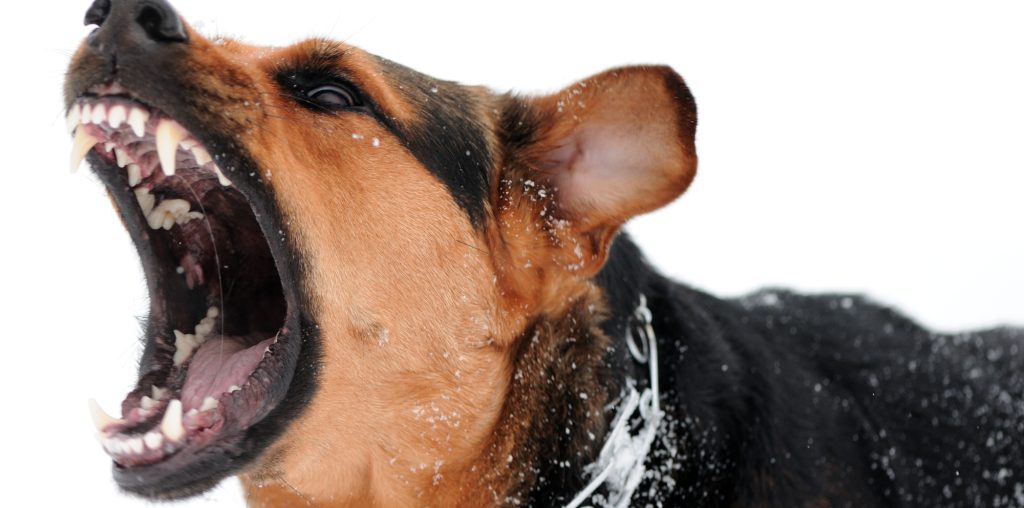
Dogs generally don’t like to bite and will usually exhibit plenty of warning signs before attacking. Their ideal scenario is one where the offender gets the message and backs off, but if this doesn’t happen, a dog may become violent. The most common indicators that an attack is imminent are:
- The dog is growling
- Its teeth are bared
- Its ears are back
- The dog is licking its lips
- The fur on the dog’s back is raised
- Its body appears stiff
- Its bark sounds threatening
Read More
5 Aggressive Dog Behaviors to Watch Out For
Dog Behaviors to Watch Out For (Podcast)
Factors That Increase the Risk of Dog Bites
Your Guide to Dog Bite Prevention
How to Teach a Child to Avoid Dog Bites
Keep Your Own Dog Exercised and Engaged
While most dog owners are never bitten by their pet, there are a surprising amount of them who are. This is more likely to happen in the winter when dogs are cooped up inside and unable to go outdoors for longer than it takes to go to the bathroom. If you have a dog, making the effort to keep them engaged with play and indoor exercise is key to reducing frustration and the risk of a potential attack.
When to Get Legal Support After a Dog Attack
Dealing with the aftermath of a dog attack is difficult at best and you deserve experienced support. Our qualified dog bite attorneys know the law inside and out, and can help you pursue the compensation you deserve for going through such a terrifying ordeal.
If you or someone you care about were bitten by a dog, don’t hesitate to contact Mazow | McCullough, PC to schedule your visit at (978) 744-8000 or toll-free at (855) 693-9084. We look forward to providing you with the comprehensive legal support you need to build a strong case.
 Robert E. Mazow, Partner
Rob Mazow is a founding partner of Mazow | McCullough, PC, where he represents injured victims and their families. As a former Assistant District Attorney in Essex County, Rob has tried over 100 jury cases. Unhappy with representing “big business,” he left a large Boston firm in 2003 and dedicated his new practice to holding wrongdoers accountable. Rob has recovered millions for families and has led impactful class actions protecting Massachusetts consumers. He tells his clients, “I can’t guarantee you a result. But what I can promise is that nobody will fight harder to get you the best result possible.”