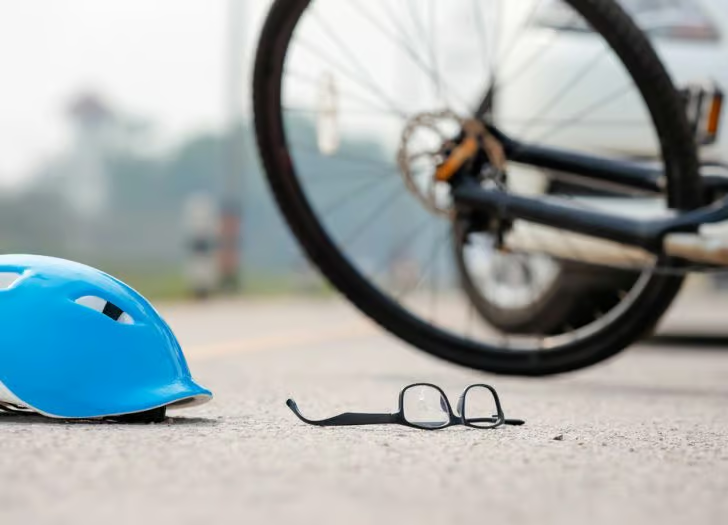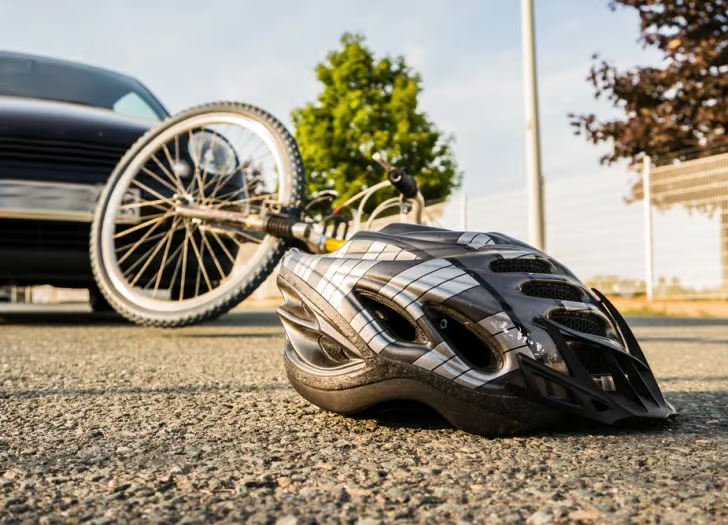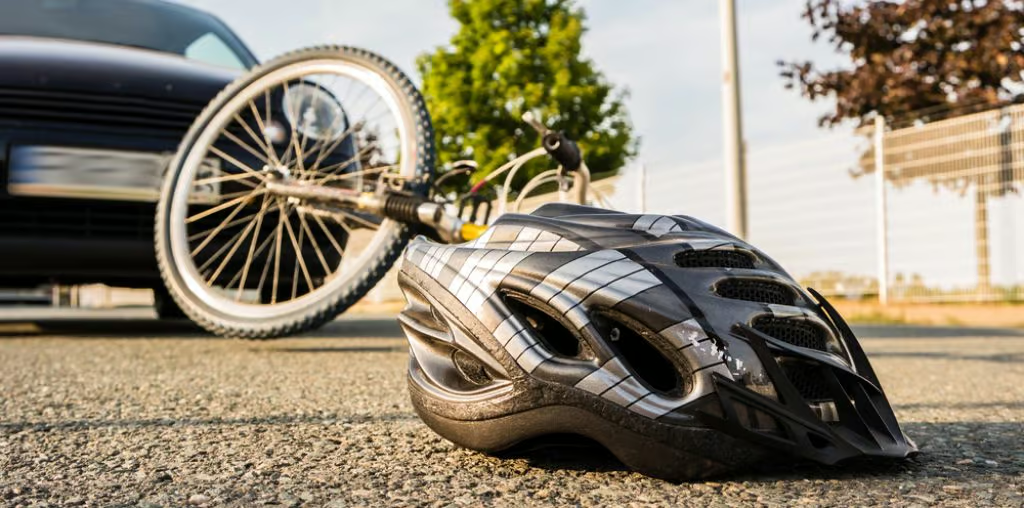
Riding a bike should be fun. It shouldn’t feel like you have to dodge cars or fight with them for your right to the road. But drivers don’t always make room for cyclists or give them the right of way when needed. Here’s how being on guard can help you avoid accidents and what to do if a crash happens.
What Causes Bicycle Accidents?
Not all bicycle accidents are “just accidents.” Some of them can be traced back to being the fault of the motor vehicle driver. For instance, if they were drunk or just weren’t paying attention, they might be responsible for the collision. Another cause of accidents is failing to yield or opening their door into the bike path without checking to see if a cyclist is using it. Speeding is also an issue and can not only cause bike accidents but can also make them worse when they do happen.
How Defensive Biking Reduces Accidents
Defensive biking means riding with the understanding that drivers may not always see you or react in time. Being on alert and changing the way you ride can help you avoid:
- Drivers who are on their phone
- Drivers who are going too fast
- Drivers who aren’t abiding by traffic laws
- Difficult road conditions
While cyclists shouldn’t have to take responsibility for what other drivers are doing, taking a few precautions can make it a lot less likely that an accident will occur.
Defensive Biking Tips to Use on the Road
Make sure you can be seen.
Visibility at all times is key for bicycle riders. Wear bright clothing and consider putting reflectors on your bike that can be seen at night.
Watch parked cars.
Even when a car is parked, someone might be inside and could be getting ready to drive or open their door. Listen for the sound of the car’s engine to see if it might be on and look in the driver’s seat to check if anyone is there. If you think a parked car might not stay parked for long, either wait for it to go or give it a wide berth.
Make eye contact with drivers before turning or crossing.
If you are crossing an intersection or turning down a road, try to make eye contact with any drivers who are also at the intersection. This increases the chances they’ll see you, and they may even wave you on and wait for you. If you can’t make eye contact because their head is down or they aren’t looking at you, you should assume they don’t see you.
A Note About Safety Gear
Along with defensive biking tactics, you should also be using appropriate safety gear. This means wearing a helmet that fits well and jeans or long pants. If it’s not too hot outside, you can also wear a long-sleeve shirt. While these things don’t necessarily prevent a collision, they can protect you from serious or even deadly injuries if you do get into a wreck.
A Bicycle Accident Happened. Now What?
Being hit by a car on your bike can be terrifying, and you might not know what to do at first. The most important thing is to get medical care. Remember that adrenaline is high after a crash, and you might not feel the full extent of your injuries right away. It’s imperative that you get checked out to make sure nothing is serious and to get treatment if you need it.
Next, you should try to get photos of your bicycle, your injuries, and even the scene of the accident. If you are getting medical care, you might be able to ask someone to do this for you, like a friend or family member. It’s also a good idea to file a police report so you have formal documentation of what happened on hand.
When to Talk to a Bicycle Accident Attorney
If you believe that the driver who hit you may have done something wrong to cause the accident, you might have a legal claim. However, not every bike crash is eligible, so you should talk to an experienced bicycle accident attorney as soon as you can. A lawyer can go over the facts, ask questions about what happened, and determine if there is a potential claim.
What Mazow | McCullough, PC Can Do to Help
Our attorneys have decades of experience representing injured bicycle accident victims and their family members who advocate for them. We’re here to help you find out if you can file a claim for compensation and negotiate with insurance companies on your behalf.
Contact us today to schedule your no-cost consultation by calling (978) 744-8000 or toll-free at (855) 693-9084.
Additional Resources
Dealing with Insurance Companies After a Bicycle Accident (Podcast)
6 Bicycle Safety Habits for Avoiding Accidents
Common Bicycle Accident Injuries & What To Do At The Scene (Podcast)