
In this podcast, attorney Chelsea Bishop from Mazow McCullough discusses Chapter 93A violations, a Massachusetts consumer protection law designed to prevent unfair or deceptive practices by insurers. She explains how actions like unreasonable claim delays, bad faith denials, and failure to properly investigate claims can lead to a violation. Chelsea also covers the crucial role of evidence, how attorneys access insurance company records during litigation, and the potential damages clients can seek. Finally, she highlights the process of pursuing a Chapter 93A claim and the involvement of clients in the case.
John Maher: Hi, I am John Maher and I’m here today with Chelsea Bishop, an attorney with the law office of Mazow McCullough. Today we’re talking about insurer Chapter 93A violations. Welcome, Chelsea.
Chelsea Bishop: Thanks, John. Happy to be here.
What is a Chapter 93A Violation?
Maher: Yeah. So Chelsea, what is a Chapter 93A violation and what actions or inactions by an insurance company could constitute a violation of that law?
Bishop: Yeah, so Chapter 93A is a Massachusetts statute that is set up to protect consumers from any actions or omissions that are found to be unfair or deceptive in trade or commerce. And specifically what we’re talking about today is any actions by insurers that would fall under that category. So, basically it’s a consumer protection statute and some things that insurers do or don’t do that would be a violation of Chapter 93A is unreasonable delays in handling claims.
So, if they get a claim and they are just sitting on it and not assessing it, right? How it works on our end as we will produce a demand and put them on notice of a claim. And if they take too long pursuant to the statute to respond, that that is a violation of the statute. Another one is bad faith denials.
So, if there is insurance coverage for something and they make a denial of a claim that we make in bad faith without a reasonable basis or just intentionally deny the claim without giving any kind of explanation, that would be considered a violation of Chapter 93A. Another thing that we see a lot is failure to document or conduct a proper investigation, right?
So, a lot of times the claims come in and their job as the insurance adjuster or the insurance representative on the case is to assess the claim and to look at the evidence and make a good faith investigation. And failure to do that could also be considered a violation of Chapter 93A.
What Evidence is Most Crucial for 93A Violations?
Maher: So, what type of evidence is most crucial for you to prove that an insurance company is engaged in these unfair practices?
Bishop: So, the most crucial evidence would be the insurer file itself. So anytime a claim comes in, insurance companies have an electronic record of what came in, what was reviewed, what was assessed, what they did, if they made a phone call, who was it to? And so, all of that is tracked or should be tracked. And so, what we’re looking at there is any correspondence or documentation.
So, looking at the complete insurer file, getting a history of the claim and the timeline and what was done and how timely and efficient it was done, right?
Did you get the claim in and wait eight months before you even opened it? Because that would be a violation of 93A if so, and we would argue as such, but just being able to look at the insurance adjuster’s actions and assess whether or not it comports with 93A. We can also reach out to experts if there’s anything in the file that we’re not really sure how to assess it or we’re not sure if it would be a violation. Reaching out to an expert and getting that expert testimony can be crucial. Somebody that either was an insurance adjuster or an insurance executive themselves and can assess that for us.
How Can You Get Access to Insurance Company Records?
Maher: How do you get access to the insurance company’s records?
Bishop: Yeah, that’s a great question. So, when there is a violation of 93A, what we do is we actually file a lawsuit. We’ll either file a completely separate lawsuit or we’ll add a claim to an existing lawsuit for a violation of 93A. And so, once you file that lawsuit or you add that additional claim onto the lawsuit, you then enter what’s called the discovery phase of litigation, and that’s where we’re able to make demands from the insurance company to collect records and data and ask them questions about the file and really dig into what’s in there and assess whether or not it was in fact a violation of Chapter 93A.
What Damages Can Be Sought In A 93A Case?
Maher: Beyond just the underlying personal injury claim, are there other damages that can be sought in a Chapter 93A claim against an insurer?
Bishop: Yeah, yeah. Actually, the Chapter 93A is really protective of consumers. It’s a great statute. A lot of states have something similar, but this is Massachusetts version of it. And a lot of times because a chapter 93A violation creates so much more work for attorneys, right? You’re actually able to recover attorney’s fees and costs and sometimes you’re even able to recover at an increased rate.
So, you can actually recover double or what they call treble damages. And so, depending on how egregious the violation is and depending on what statutes in conjunction are being violated, because oftentimes a good example of what I’m trying to describe is the lemon laws as they’re commonly known, right? So, if you’re sold a car that is then found later to be a lemon, there’s certain aspects of that statute that are violative of the lemon laws and they’re also violative of Chapter 93A. And so, you’re able to recover multiple damages, because there’s multiple statutes that have been violated. And the same is true for insurance violations as well.
What is Involved with Pursuing a Chapter 93 Claim?
Maher: So, you mentioned filing a lawsuit due to Chapter 93A. What else is involved in the process of pursuing a Chapter 93A claim against an insurance company?
Bishop: So, the first step before you file the lawsuit is you have to send a demand letter to the insurer and pursuant to the statute, you give them 90… Oh, sorry, not 90, 30 days to respond and they have to respond by law within that 30 days. Otherwise, it’s a per se violation of that statute.
So, what we’ll do is we’ll send a demand letter to the insurance company, will lay out the ways in which we believe their conduct has violated Chapter 93A, and we’ll give them 30 days to make a fair settlement offer. Sometimes what they’ll do is they’ll deny that claim and any liability and then we’ll proceed with filing the lawsuit. Other times they will make a settlement offer and we’ll take that back to the client. But yeah, that would be kind of the initial step before filing the lawsuit.
Maher: So, if they comply with the demands that are in the demand letter, then you don’t pursue the Chapter 93A violation past that?
Bishop: That’s correct. Yeah. I believe that provision of the statute is set up to kind of give the insurer a chance to make a good faith settlement offer. And to the extent we can mediate disputes in that way before they get to a lawsuit. It is better for the client oftentimes because it means less money spent on our end administratively and more recovery for them. Lawsuits are expensive in time and money, and so having that provision built into Chapter 93A is the best option for both sides in some cases, and in some cases it’s not. But yes, that’s kind of why that’s there.
Does Chapter 93 Interact with Other Laws?
Maher: Does Chapter 93A interact with other types of consumer protection laws and regulations that might affect insurance companies?
Bishop: Yeah. Like I was mentioning earlier, it’s like the lemon law example and specifically in an insurance context, there’s the Massachusetts Insurance Code which works in conjunction with 93A. And if we’re alleging a violation of Chapter 93A, it’s always in conjunction with another violation within the Insurance Code of Massachusetts.
There’s also an act called the Unfair Claim Settlement Practices Act, and that is a part of the Massachusetts law that requires insurers to handle claims promptly, efficiently and fairly. So oftentimes we’ll also pull out the aspects of the statute that were violated in any particular case and include those in the demand letter. There’s other state specific consumer protection laws, and we also look at the federal regulations. If there’s ever a federal regulation that kind of raises the stakes of the claim as well. So we’ll also assert that in the demand.
Common Ways Insurance Companies Defend Themselves Against a Chapter 93A Claim
Maher: Are there some common ways that insurance companies will try to defend themselves against a Chapter 93A claim, and how do you pursue that or address those issues?
Bishop: Yeah, I actually worked… Prior to working for Mazow McCullough on the personal injury plaintiff side of things, I was an insurance defense attorney. And so, I’m very familiar with the ways in which they’ll assert defenses for 93A claims. A lot of times if we’re asserting that there’s a delay in the process, they make the argument that the delay was reasonable and just showing that even though the insurer failed to act within a certain timeframe, here’s the reasonable explanation as to why that occurred, right?
Maybe they were waiting on medical records from the client to assess the claim and make sure that it was worth what the plaintiff attorney is saying it’s worth. You could also make… If there’s a claim that there was a bad faith denial, right? That they denied coverage for something that is covered within the policy, you would then… As an insurer, we sometimes see them say, “Well, it was actually a good faith denial and here’s why. There’s a part of the policy and here’s how we interpret the policy to mean.”
And there’s a whole bunch of law around interpreting policies. And so, sometimes you can read a policy one way and it can be interpreted another way as well. We also see insurance companies saying that they in fact complied with the insurance regulations, right? And kind of asserting the reasons as to why they believe… In the demand letter if we’re saying an insurer violated X, Y and Z provision of any statute or Chapter 93A, they then would come back and say, well, we didn’t violate those provisions and point to the behavior in their record that shows, Hey, we did comply with this. So oftentimes when that happens and they’re kind of digging into that, it creates a little more work for us on our end, but it doesn’t mean it’s not a winnable case by any means.
What Client Involvement Is There with a 93A Violation Case?
Maher: And then just finally, to what extent is a client of yours who’s been injured involved in this Chapter 93A violation? Or is this just happening all kind of behind the scenes and they know that you’re working on their case and you’re trying to get it resolved as quickly as possible and that maybe you’re dealing with some issues with the insurance company, but they’re otherwise sort of hands off and don’t really know what’s going on? Or are they intimately involved in this process?
Bishop: It depends. So, sometimes with Chapter 93A violations, sometimes a client before they come to us, they’ve had some interactions with someone from the insurance company, right? And so, in that case, I’m thinking of one case in particular where the client, before she even retained an attorney, talked to the company. She slipped and fell at a facility and talked to the company and asked them to cover her medical bills and they told her there was no coverage.
And so, then she went to an attorney, right? And so, in that case, any interaction she had with the insurance adjuster, I would then make part of the 93A record, if and when we wanted to file a 93A claim violation. So yeah, I think it depends on the case. I think a lot of times, we are the ones that are dealing directly with the insurers, so we’d be the ones that were kind of front-facing and we wouldn’t need the client necessarily to make any kind of appearance in a 93A case. But yeah, it just a case by case basis.
Maher: All right, that’s really great information, Chelsea. Thanks again for speaking with me today.
Bishop: Yeah, thanks, John.
Maher: And for more information, you can visit the Mazow McCullough website at helpinginjured.com or call (978) 744-8000.
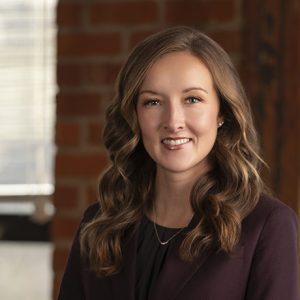
Chelsea Bishop, Associate Attorney
Chelsea is an Associate Attorney at Mazow | McCullough, PC, where she focuses her practice on personal injury matters, including wrongful death, and medical negligence. Before joining the firm, she represented plaintiffs at a medical malpractice firm in Peabody, Massachusetts. After teaching algebra at a charter school and serving as an AmeriCorps volunteer and recruiter, Chelsea brings a diverse professional background to her advocacy. She earned her J.D. from New England School of Law on a full scholarship while working full time. As a 2024 Massachusetts Super Lawyers Rising Star, Chelsea is admitted in Massachusetts, Rhode Island, Connecticut, and Pennsylvania.