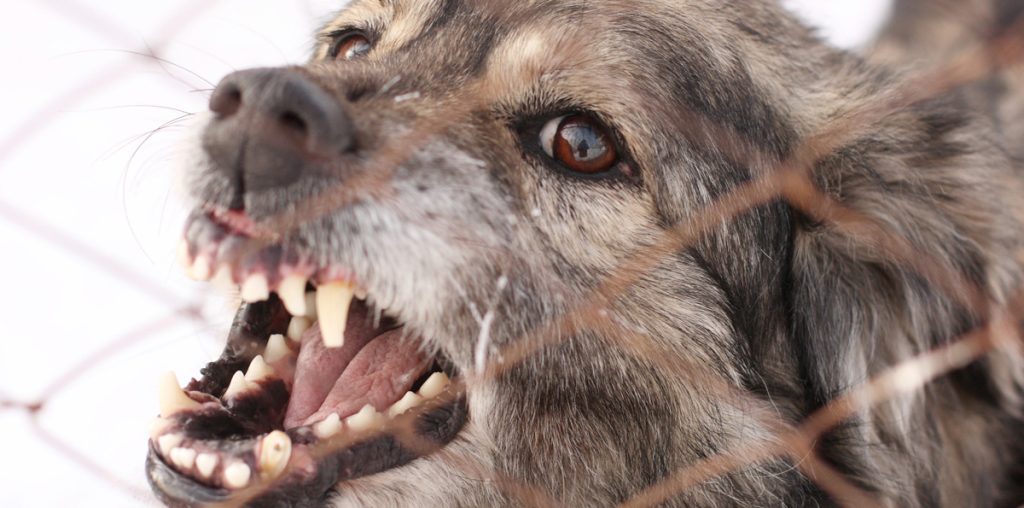
It’s a common myth that some dogs are naturally aggressive, but a canine’s genetics have little to do with whether or not they are predisposed to attack. Instead, the National Canine Research Council has identified seven controllable factors that are associated with the majority of dogs who bite.
Explore the list below and learn how you can advocate for yourself or a family member after a vicious dog attack in Massachusetts or New Hampshire.
Over 75% of Dogs That Attack Have 4 or More of These Factors
1. No One Was Around At the Time of the Attack
In nearly 87% of dog bite cases, there was no one around at the time of the attack who could intervene to stop or deter the animal.
2. The Person Who Was Attacked Did Not Have a Relationship with the Dog
In over 83% of cases, the dog attack victim did not have an established relationship with the dog. This means that the stronger your relationship with a dog, the lower your chances are of being bitten.
3. The Dog Had Not Been Spayed or Neutered
Approximately 78% of dogs responsible for a fatal attack were not spayed or neutered. If you own a dog, having them sterilized is crucial for preventing behavioral issues, especially in males.
4. The Person Who Was Attacked Had Physical Disabilities
A person is also at a higher risk of being injured in a dog attack if they have one or more physical disabilities. Almost 69% of fatal bite victims were physically compromised and, as a result, were unable to defend themselves or escape the situation.
5. The Dog Was Not a Family Pet
Another major factor is whether a dog is treated as a family pet or as a “resident dog.” A resident dog is generally one kept for protection or one that lives on the property but is not allowed much, if any, interaction with their owner. Over 70% of all deadly dog attacks can be attributed to dogs who were not household pets.
6. The Dog Was Poorly Restrained
In almost 40% of cases, the dog was poorly restrained or otherwise mismanaged prior to the attack. This includes being allowed off leash or left in an unsecure yard.
7. The Dog’s Owner Was Abusive or Neglectful
In over 20% of fatal dog bites, the owner was found to have been abusive or neglectful to their animal. For example, they may have a record of hitting or kicking the dog, or neighbors may have seen the dog left outside without food and water for an extended period.
How to Avoid Getting Bitten by a Dog
In addition to mitigating the above factors, here are some other things you can do to decrease your risk of being attacked:
Steer Clear of Strange Dogs
This may go without saying, but it’s always a good idea to avoid coming into contact with animals you don’t know personally. Even if it’s a neighbor’s dog, or it appears friendly, this could change in a moment.
Never Run Past a Dog
If a dog approaches you, it’s best to look down at the ground and back away slowly to show the animal you have no intention of fighting. According to the American Veterinary Medical Association (AVMA), something you should never do is run past it or make any sudden movements that could trigger the dog.
Avoid Sick or Injured Dogs
Animals who are ill or hurt are more likely to attack someone, so it’s best to avoid dogs that you know are sick or in pain. Whether you know the dog or not, they may become uncharacteristically aggressive when in pain.
Read more about dog bite prevention:
How to Teach a Child to Avoid Dog Bites
How to Protect Against a Dog Biting You When Delivering Mail
There’s a Loose Dog–What Should I Do to Avoid Bites?
Recognizing Signs of a Reactive Dog Before You Get Bit
Get Legal Help After an Aggressive Dog Attack
Were you or someone you love injured by a dog? Or did you lose a loved one after a dog attacked them? Mazow | McCullough, PC’s experienced Salem dog bite lawyers are here for you. Contact us now at (978) 744-8000 or toll-free at (855) 693-9084 to learn more or to set up a time for a no-cost consultation.