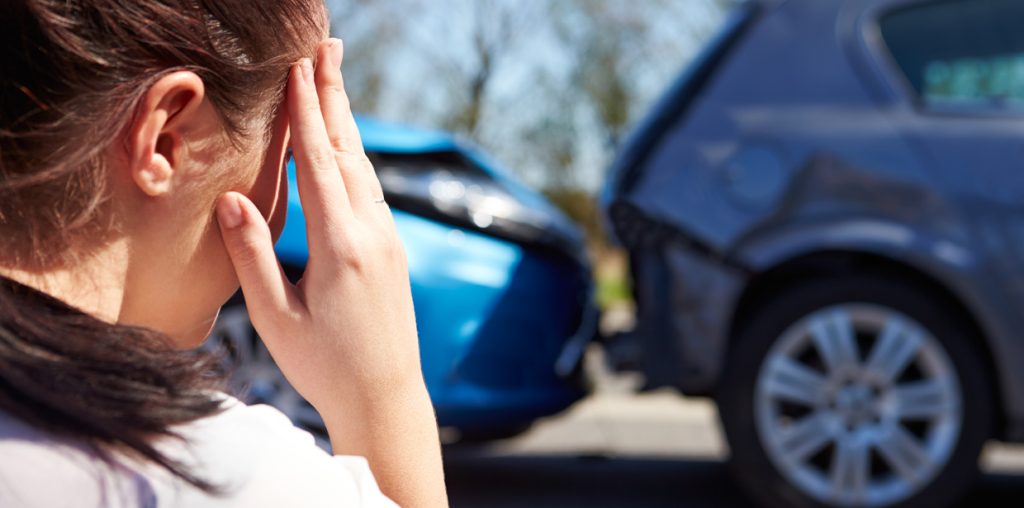
What should you do right after a car accident? In this episode, attorney Marc Perlman of Mazow McCullough walks through the essential steps to take—from staying calm at the scene to documenting damage, gathering the right information, and seeking medical care. He also explains when to call the police, when to involve a lawyer, and how to keep a record of your injuries and missed work to strengthen your case. Whether you’re dealing with a minor fender bender or a serious collision, this episode offers straightforward advice to help protect your health, rights, and financial recovery.
John Maher: Hi, I’m John Maher and I’m here today with Attorney Marc Perlman of the Law Office of Mazow McCullough. Today we’re talking about what to do following an accident. Welcome, Marc.
Marc Perlman: Great to be here. Thanks.
What to do Immediately Following a Car Accident
Maher: Sure. So Marc, what are the very first steps that someone should take immediately after an accident?
Perlman: So, after you’re involved in an accident, it’s a very stressful time having been through one myself, and it’s really important to stay calm, remain at the scene, and kind of assess how you’re doing, assess the damage to your vehicle and the other vehicle.
It’s best to take pictures of your car and the other car and their license plate and get the other driver’s information and to call the police. Because you’ll want to make sure that there’s a police report that sort of documents exactly what took place and shows that you weren’t the one who was at fault for what happened.
How to Document Accident Details
Maher: So, how should those accident details be documented at the scene and maybe afterwards? I mean, the good news is that most of us now have smartphones with cameras. So, that must help a lot compared to years ago where everybody has a camera now in their pocket and they can start taking some pictures at the scene.
Perlman: Exactly, yeah, I mean taking pictures is great. I mean, taking pictures of your car, the other car, your injuries, that’s all sort of really important stuff that your attorney is going to want to review when they take on your case.
What to Take Pictures of After a Car Accident
Maher: Should you take pictures of… Say it’s a car accident and you’re at an intersection or something like that, is it a good idea to go walk back and take some pictures of the whole intersection? So, that later on you can sort of explain, oh yeah, I was in this lane and then I was turning this way and have it all kind of the whole… As opposed to just closeup pictures of the damage to your car. Should you get wider shots?
Perlman: Yeah, I mean, if it’s safe for someone to do that. Obviously I don’t want someone to walk out on like a busy intersection or something and take pictures.
Maher: Sure.
Perlman: But yeah, if it’s safe to do that, that’s certainly helpful. I mean, for cases that I have, I will go out to the scene of where it took place and take pictures myself just to get a sense of the area and what it’s like.
Maher: You could do that afterwards.
Perlman: Yeah, so you can always do that afterwards as well.
What Information Do You Exchange with Other Parties?
Maher: What information should you exchange with the other parties that are involved in the accident?
Perlman: Yeah. I mean, you want to give them your name, insurance information. It’d be very important to get their insurance information because one of the first things your attorney is going to ask for is the name of the insurance company for the other driver. So, you can inform them of a potential claim and see what type of coverage they might have had to compensate you for your injuries.
When to Seek Medical Attention After an Accident
Maher: When should you seek medical attention and how do you document that?
Perlman: So, you should seek medical attention as soon as you need it. I mean, some people, they might be transported to the hospital following an accident if they suffered some severe injuries. Or some people, they wake up the next day and they’re just not feeling well and they decide they’re going to go to the ER or make an appointment with their doctor to get seen. So, as soon as you feel like you need that treatment, you should get it.
It’s really important to make a diary of your injuries and how they’ve sort of changed over time. I find it to be really helpful for some cases I’ve had where clients have been able to kind of relay how their injuries have changed over time and kind of impacted them and limited what they can do.
Keeping a Journal
Maher: Yeah. So explaining that yeah, I have this neck pain and it gives me headaches. And so I had to leave work early for six days in a row and then I had to take two days off and then I was able to come back part-time. That sort of thing is the kind of documentation that you’d want to be keeping.
Perlman: Yeah, exactly. Because something like that, that example, I mean, that could prompt us to say oh, well you might’ve had some lost wages related to the accident. So, maybe we want to get some documentation to support what your lost wages might be.
Should You Call the Police After an Accident?
Maher: You mentioned calling law enforcement, calling the police to the accident scene. Is that recommended that you always do that in the case of an accident, especially where somebody’s injured?
Perlman: Yeah, definitely. You’ll want to have a police officer come down and make a report. You want to be able to talk to them and relay exactly what happened, especially for the purposes of liability in a car accident. It’s oftentimes he said, she said of who was at fault. But if you can have a police report that’s definitive as exactly what took place, it’s certainly very helpful.
Because someone might tell you at the scene, “Oh yeah, it was my fault. Don’t worry about it. You didn’t do anything wrong.” And then later on, they completely change their story. So, if you can have a police report that kind of details things, that can really strengthen your case.
When Should You Get A Lawyer Involved After an Accident?
Maher: And then at what point should you get a lawyer involved?
Perlman: Yeah, I’d say as soon as possible. I mean, obviously the first thing is to take care of yourself and make sure you’re okay and get medical treatment. But once you’re able, it’s important to contact an attorney early on once you’re feeling a little better.
Maher: Yeah, because they can really help to make sure that you’re dealing with the insurance companies properly and that you’re getting especially where you have medical bills and things like that, making sure that you’re getting everything that’s due to you, right?
Perlman: Yes, exactly. And the attorney will work with you to gather all of your medical records and bills and prepare the demand package to send to the insurance company, and they’ll do all that for you.
Will You Have to Go to Court After a Car Accident?
Maher: When is it necessary to maybe go to court or something like that, or file a case about the accident?
Perlman: Yeah. So, after your attorney prepares the demand package and sends it to the at fault party’s insurance company, there’ll be some negotiations that take place. And if the parties aren’t able to come to a resolution, then it might be necessary to file suit, file a complaint in court, and there’ll be hearings before potential trial. Usually, it’s a pre-trial conference where the parties will meet at court. You let the judge know what the issues are in the case and what the path moving forward is going to be.
So yeah, I mean, most cases do settle before getting to litigation. They’re able to settle before that. But sometimes it’s necessary to file a lawsuit, especially if you’re coming close to the three-year statute of limitations. So, you have three years after an accident to file a complaint. So, a lot of times, we’ll have to file a suit when it’s getting close to the three-year mark just to reserve the case and keep it moving.
Maher: And it might be the case that initially, you think that the settlement is going to be fine and it’s going to pay for all your medical bills. But then we don’t realize that yeah, two and a half years from now, you’re still going to be having issues because of this accident. And now it’s really the amount of money maybe that you were getting for your medical care is not sufficient and you need to kind of go back and try to renegotiate.
Perlman: Yeah. Yeah, exactly. Yeah.
Maher: All right, well that’s really great information, Marc. Thanks again for speaking with me today.
Perlman: My pleasure. Thanks.
Maher: And for more information, you can visit the Mazow McCullough website at Helpinginjured.com or call 978-744-8000.

Marc J. Perlman
Marc J. Perlman is an Associate Attorney at Mazow | McCullough, PC, where he brings a background in family law and litigation. Before joining, Marc handled divorce and contempt actions at a Peabody-based firm. He has experience conducting trials, managing discovery, and negotiating resolutions. While in school, Marc was in Phi Alpha Delta, the Public Interest Law Society, and the Construction Law Society, and interned with the Rhode Island Attorney General’s Office and Massachusetts Commission Against Discrimination. A North Shore native, Marc earned his undergraduate from the University of Connecticut and his J.D. from Roger Williams University School of Law.